
Banquet Halls vs. Unique Event Venues: What’s the Difference & Which Fits Your Event
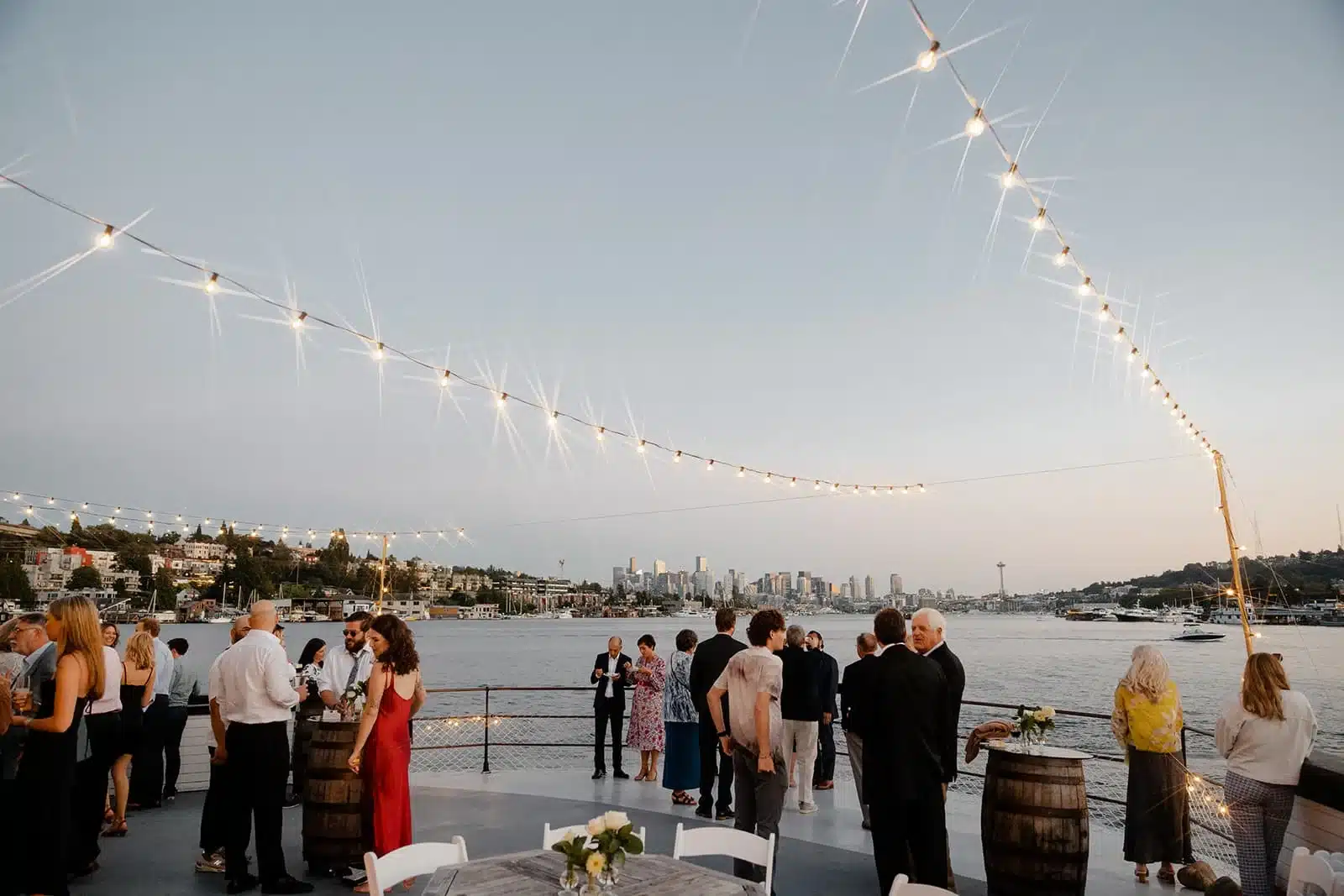
One venue has a grand room ready for dinner and dancing. Another has weathered brick, a rooftop view, or a waterfront deck where guests might linger long after the first toast. Both look promising. But which one will feel right once your event is actually happening?
Whether you’re planning a wedding, a company celebration, or a fundraiser, choosing between a banquet hall and a unique event venue is less about which looks better in photos and more about how you want people to spend their time. Here’s what to look for before you book.
How the First Moments Feel
Think about the first ten minutes. Do guests step straight into a dining room, gather on a terrace, or move through a courtyard? A venue's architecture can make an immediate impression. Picture your guests finding their way in, not just posing for photographs.
How the Evening Flows
Imagine your event in motion: welcome drinks, dinner, a speech, then dancing. Is there a natural place for each moment? Can the room be reset without interrupting the celebration? For corporate presentations or nonprofit auctions, sightlines and sound may matter more than the backdrop. Ask to see a floor plan based on your actual guest count, not only the venue's maximum capacity.
What's Handled Behind the Scenes
Even a remarkable setting can feel complicated if the service details aren't clear. Compare catering policies, vendor access, setup times, staffing, and who manages transitions throughout the event. At Landmark, Herban Feast Catering offers seasonal menus, buffets, and plated dinners. Venue rental includes planning support for details such as timelines and floor plans. For weddings, a separate day-of coordinator is required and isn't included in the rental. Landmark offers this service for an additional fee.
Is a Banquet Hall the Same as an Event Venue?
A banquet hall is one kind of event venue, typically arranged for gatherings and meals. Event venues can also include historic buildings, gardens, and waterfront settings. The categories sometimes overlap.
Are Unique Event Venues Harder to Plan Around?
Not necessarily. Some offer experienced coordination and catering teams, while others require more outside vendors. Compare the actual services and requirements rather than assuming one type is easier.
Can a Unique Venue Work for a Corporate Event?
Absolutely, provided the room layout, accessibility, equipment, and event services support your schedule and guest count.
Check Us Out On Instagram!

